

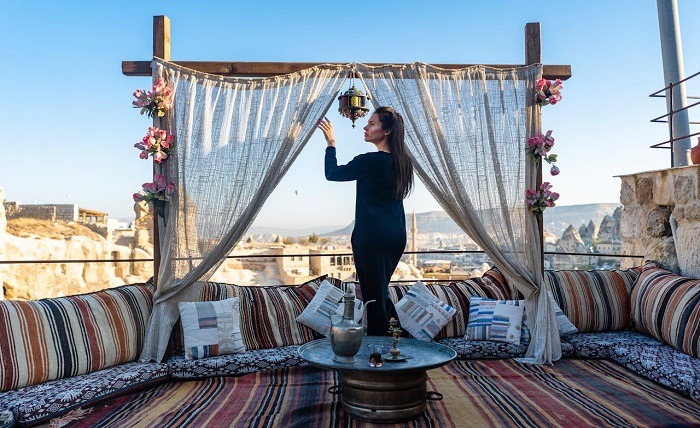
Have you ever wondered how to bring vibrant culture, rich history, and warm hospitality into your home décor? What makes Turkish style décor so captivating and why is it gaining popularity in modern interior design? If you’re curious about blending timeless elegance with bold colors and intricate patterns, Turkish décor might be the perfect inspiration for your next home makeover.
In recent years, Turkish style décor has surged in popularity across the globe, captivating interior design enthusiasts and homeowners alike. Known for its rich cultural heritage, vibrant colors, intricate patterns, and a unique blend of East-meets-West aesthetics, Turkish décor offers a warm, inviting, and timeless appeal that can transform any living space. But what exactly defines Turkish style décor, and why is it trending now? This article explores the essence of Turkish interior design, its key elements, and the reasons behind its growing popularity in modern homes.
What Is Turkish Style Décor?
Turkish décor is a reflection of Turkey’s rich history, which spans Byzantine, Ottoman, and Seljuk empires, blending influences from Asia, Europe, and the Middle East. It is a visual and tactile celebration of culture expressed through textiles, ceramics, woodwork, metalwork, and architectural details. Turkish interior design often combines traditional craftsmanship with contemporary touches, creating spaces that are both elegant and cozy.
At its core, Turkish style décor emphasizes:
- Vibrant colors like deep reds, blues, turquoise, and gold, often seen in fabrics and tiles.
- Intricate patterns inspired by Islamic art, floral motifs, and geometric designs.
- Handcrafted details such as mosaic lamps, kilim rugs, and embroidered cushions.
- Natural materials like wood, stone, and leather.
- Layering textures to create depth and warmth.
Key Elements of Turkish Style Décor
1. Textiles and Rugs
One of the most iconic features of Turkish décor is its exquisite textiles. Turkish kilims and carpets are renowned for their vivid colors and complex patterns. These handwoven rugs tell stories through their designs, incorporating symbols representing protection, fertility, and luck. Kilims and rugs are often used as focal points on floors, walls, or even furniture upholstery.
Soft cushions and throws in luxurious fabrics such as silk, velvet, and cotton often accompany these rugs, layering comfort and style. Embroidered cushions with traditional motifs add a personal, artisanal touch. If you’re looking to explore authentic pieces, many customers now prefer to visit a Turkish home decor shop online, where they can conveniently browse a wide variety of genuine handmade textiles and décor items from Turkey.
2. Ceramics and Pottery
Turkish ceramics are world-famous, especially the Iznik tiles, which feature rich cobalt blues, turquoise, and floral or geometric patterns. These tiles can be seen decorating walls, fireplaces, kitchen backsplashes, or bathroom areas, adding an artistic flair and a splash of color.
Traditional pottery, such as hand-painted vases and bowls, also play a role in Turkish interiors, enhancing the overall cultural narrative.
3. Lighting
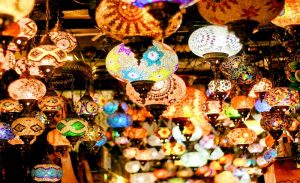
Lighting in Turkish décor often includes ornate mosaic lamps and lanterns. These lamps are handmade from colored glass pieces and metals, casting beautiful, colorful shadows that create a magical atmosphere in any room. Floor lamps, table lamps, and hanging lanterns add warmth and exotic charm.
4. Furniture
Furniture in Turkish style décor combines function with beauty. Ottoman-style seating — low, cushioned sofas or benches with carved wooden legs — is common. Wooden furniture often features intricate inlay work or carving. Dark woods are contrasted with bright fabrics, maintaining balance between boldness and elegance.
5. Architectural Features
Traditional Turkish homes often have arches, carved wood panels, and decorative niches, which are sometimes replicated or inspired in modern interior design. These architectural touches add character and evoke a sense of history and tradition.
6. Color Palette
Turkish interiors embrace rich, jewel-toned colors — deep reds, royal blues, emerald greens, and gold accents dominate. These colors are usually balanced with natural neutral tones like cream, beige, and warm wood to avoid overwhelming the senses.
Why Turkish Style Décor Is Trending
1. A Desire for Unique, Meaningful Spaces
In today’s world of mass-produced furnishings and minimalist trends, people are craving individuality and cultural depth in their homes. Turkish décor offers that uniqueness through its handcrafted items, rich storytelling, and cultural symbolism. Each rug, lamp, or tile is not just decorative but carries meaning and history, appealing to homeowners who want their space to feel personal and authentic.
2. Globalization and Cultural Appreciation
As travel and cultural exchange have expanded, so has appreciation for global art and design. Turkish style décor allows people to bring a piece of Turkey’s rich heritage into their homes without traveling. The growing popularity of Turkish exports like rugs, ceramics, and lamps makes authentic Turkish pieces more accessible worldwide.
3. Warmth and Comfort in Interior Design
Modern urban living often embraces sleek, cold, and minimalistic aesthetics, which can sometimes feel sterile or impersonal. Turkish décor counters this with warm textures, vibrant colors, and cozy layering that make spaces feel inviting and lived-in. It appeals to those looking to create welcoming environments for family and friends.
4. Sustainability and Handcrafted Quality
Handmade Turkish rugs, lamps, and ceramics offer an eco-friendly alternative to mass-produced furniture and décor. There is an increasing awareness among consumers of the environmental and ethical impact of their purchases. Turkish décor often supports artisanal communities and traditional crafts, aligning with the growing demand for sustainable and ethical home products.
5. Mix and Match with Contemporary Design
Another reason Turkish décor is trending is its versatility. It works well as a bold statement style but also integrates seamlessly into eclectic, bohemian, or even modern minimalist interiors. A Turkish rug or mosaic lamp can add a pop of color and texture without overwhelming the space, making it easier for people to experiment with global design elements.
6. Influence of Social Media and Interior Influencers
Platforms like Instagram, Pinterest, and TikTok have fueled interest in diverse interior styles by showcasing stunning Turkish interiors and décor pieces. Influencers and designers highlight how Turkish décor brings vibrancy and warmth to homes, inspiring followers to incorporate similar elements. Viral videos and photos of intricate Turkish lamps, colorful rugs, or tiled kitchens make the style aspirational and accessible.
7. Celebrity and Hospitality Industry Influence
Luxury hotels, boutique guesthouses, and restaurants often incorporate Turkish design elements to create exotic and welcoming atmospheres. Celebrities and interior designers who frequent these spaces often bring those ideas into private homes. Turkish décor has thus become synonymous with sophistication, culture, and comfort.
How to Incorporate Turkish Style Décor in Your Home
If you’re inspired by Turkish style décor and want to bring some of its magic into your home, here are some practical tips:
- Start with a statement rug: A kilim or Turkish carpet can anchor a room with color and pattern.
- Add mosaic lamps: Use a few mosaic lamps or lanterns as lighting or decorative accents.
- Layer textiles: Incorporate cushions, throws, and curtains in jewel tones and embroidered fabrics.
- Use tiles artistically: Consider an accent wall, fireplace surround, or backsplash with Iznik-style tiles.
- Mix materials: Combine wood, metal, and ceramic elements to create texture.
- Embrace pattern: Don’t shy away from geometric and floral patterns; Turkish décor celebrates complexity.
- Add handcrafted accessories: Look for hand-painted pottery, brass trays, or carved wood pieces.
Turkish style décor is much more than just an aesthetic trend — it is a celebration of rich cultural heritage, artistic craftsmanship, and warm hospitality. Its blend of vibrant colors, intricate patterns, and handmade artistry creates timeless, inviting spaces that resonate deeply with today’s desire for unique, meaningful homes. As global interest in diverse cultural expressions continues to grow, Turkish décor’s ability to add warmth, color, and soul ensures its place as a beloved and enduring design style in modern interiors.