

Key Takeaways:
- Windows are vital for energy efficiency, reducing heating and cooling costs.
- Modern energy-efficient windows utilize technologies like Low-E coatings and argon gas insulation.
- New windows can significantly enhance curb appeal and increase property value.
- Replacement windows can improve natural light and ventilation, creating a healthier home environment.
- Signs of window deterioration include drafts, condensation, and visible damage.
- Climate conditions influence the longevity and material choice for windows.
- Current design trends favor larger windows and energy-efficient options, integrating smart technologies.
- Choosing window styles should align with the home’s architectural design for coherence.
- Different materials (wood, vinyl, aluminum) offer various aesthetics, durability, and maintenance needs.
- Custom windows allow for unique designs that fit specific architectural requirements.
- The window replacement process includes consultation, installation, and aftercare for maintenance and longevity.
- Professional installation is crucial for maximizing the performance and lifespan of new windows.
- Regular maintenance is essential to preserve the aesthetic appeal and functionality of new windows.
Why Window Replacement Matters: Beyond Just Aesthetic Upgrades
The Role of Windows in Energy Efficiency
Windows are not only a functional necessity in any home but also play a critical role in energy efficiency. Aging or poorly insulated windows can lead to significant energy loss, creating an environment that requires heating in the winter and cooling in the summer—leading to skyrocketing utility bills. Energy-efficient windows are designed with technologies such as low-emissivity (Low-E) coatings, argon gas insulation, and multiple-pane glazing, which minimize heat transfer and improve thermal performance. Window replacement services can help homeowners upgrade to modern, energy-efficient windows that fit snugly and provide high insulation values. By ensuring proper installation and advanced materials, you create a barrier that helps regulate indoor temperatures, reducing the strain on your HVAC system. This not only results in substantial energy savings but also lessens your carbon footprint, making your home more environmentally friendly.
Boosting Curb Appeal and Property Value
First impressions matter, especially when it comes to real estate. The exterior of your home, including windows, defines its character and charm. Replacing old, worn-out windows with stylish, modern options can significantly boost curb appeal, making your property more attractive to potential buyers or guests. Contemporary designs can complement your home’s architectural style, while custom window shapes can provide a unique aesthetic. Beyond aesthetics, new windows increase the overall market value of your property, allowing for a higher asking price during a sale. Whether you’re looking to enhance your property for personal enjoyment or considering its future resale potential, window replacement is a strategic investment that pays dividends in both aesthetics and value.
Enhancing Natural Light and Ventilation
Natural light enhances living spaces, transforming the ambiance of your home while simultaneously offering health benefits such as improved mood and well-being. Replacing your windows presents an opportunity to reevaluate your home’s design in terms of light and ventilation. Larger, strategically placed windows, or even varying styles such as bay or casement windows, can allow more sunlight to permeate your halls and rooms, creating a welcoming and vibrant environment. Additionally, well-placed windows can increase airflow, promoting cross-ventilation that helps cool your home naturally, reducing dependency on air conditioning. The combination of increased natural light and better ventilation creates a healthier indoor atmosphere, essential for those spending prolonged time indoors.
Identifying the Right Time for a Window Makeover
Signs That Your Windows Are Crying for Help
Recognizing when to replace your windows can save you significant time and resources. There are telltale signs that indicate it’s time for a window replacement—such as drafts, condensation between panes, warping, or rot. If you find yourself frequently adjusting your thermostat or perceiving cold drafts even when the windows are closed, it’s a sure sign that your window’s seals have failed, causing thermal energy to escape. Moreover, excess moisture trapped between double-paned glass can signify seal failure, leading to reduced transparency and aesthetic appeal. Cracks and rotting frames not only compromise the structure but can invite pests that lead to further damage. By taking a proactive approach to window assessments, homeowners can avoid costly repairs in the future while ensuring the comfort and safety of their living environment.
The Impact of Weather and Climate on Window Longevity
Each region experiences different climatic conditions that can affect the longevity of your windows. For example, homes in coastal areas may face high humidity and salt exposure, leading to quicker degradation of frames and seals. Similarly, homes located in extreme temperature zones may experience expansion and contraction that affects window integrity. Understanding your local climate conditions allows homeowners to select the most suitable window materials and styles. For instance, composite materials can offer more resilience against moisture, while metal frames may be more vulnerable to thermal changes. Regular maintenance, including inspections after harsh weather season, coupled with appropriate material selections, can prolong window life and performance.
How Modern Trends Influence Window Replacement Choices
As design trends evolve, so do the materials and technologies associated with window replacement. The contemporary home often embraces larger windows, open spaces, and minimalistic designs that create seamless transitions between indoor and outdoor environments. Alongside aesthetic trends, the rise of energy efficiency and sustainability has influenced many homeowners to opt for windows that meet or exceed Energy Star ratings. Furthermore, smart home technologies are on the rise—a trend that has ushered in window solutions integrated with sensors for optimal temperature regulation, automated shading or tinting, and security monitoring. Keeping pace with these trends not only ensures modern aesthetics but also enhances functionality, allowing your home to meet the demands of contemporary living.
Choosing the Perfect Windows for Your Home’s Character
Exploring Different Window Styles: From Classic to Contemporary
When it comes to choosing windows, the style must align with your home’s architecture to maintain coherence and appeal. Classic styles, such as double-hung or casement windows, offer timeless beauty and traditional craftsmanship, suitable for period-style homes. In contrast, contemporary designs, including sleek picture windows or oversized sliders, reflect modern aesthetics and can introduce a captivating architectural statement. It’s essential to explore how variations in shapes, such as arched or bay windows, can add dimension to your exterior façade. By selecting a window style that resonates with your home’s overall design ethos, you create not just visual harmony but also add character that stands out in the neighborhood.
Materials Matter: Wood, Vinyl, and Aluminum Options Explained
Window materials significantly influence not only the aesthetic but also the durability and maintenance requirements of your windows. Traditional wood windows offer classic beauty and excellent insulation but often require regular maintenance to prevent issues such as rot or warping. Alternatives like vinyl are incredibly low-maintenance, resilient to moisture, and available in various colors and styles, making them popular among homeowners. Aluminum windows, known for their sleek and modern appearance, provide great strength and durability but may conduct heat or cold, requiring proper insulating technologies. Understanding the pros and cons of each material is vital in making an informed decision that balances beauty, function, and upkeep.
Custom Solutions: Designing Windows for Unique Architectural Needs
Every home is unique, and sometimes standard window solutions just won’t do. Custom windows offer the flexibility to create designs tailored to specific architectural needs and personal preferences. This can mean anything from unique shapes to accommodate a distinctive architectural feature to bespoke dimensions that fit non-standard wall sizes. Furthermore, custom design allows for the incorporation of eco-friendly materials or energy-efficient technologies that align with sustainability goals. Collaborating with expert window manufacturers and designers will ensure that the custom windows not only enhance the aesthetic appeal but also function seamlessly within your existing framework, adding to the home’s beauty and efficiency.
The Window Replacement Process: What to Expect
Scheduling Consultations and Evaluating Options
Navigating window replacement begins with an assessment of your current windows and a consultation with a window expert. This stage is crucial; it allows homeowners to evaluate their specific needs and preferences while gathering information on the different window types and materials available. Schedules can be set up to review options in terms of energy efficiency ratings, costs, and styles. Expert consultants can also provide invaluable insights into which products align with your home’s architectural style and geographic considerations. Thorough research during this phase can set a solid foundation for a successful and satisfying window replacement project.
Understanding Installation Techniques and Best Practices
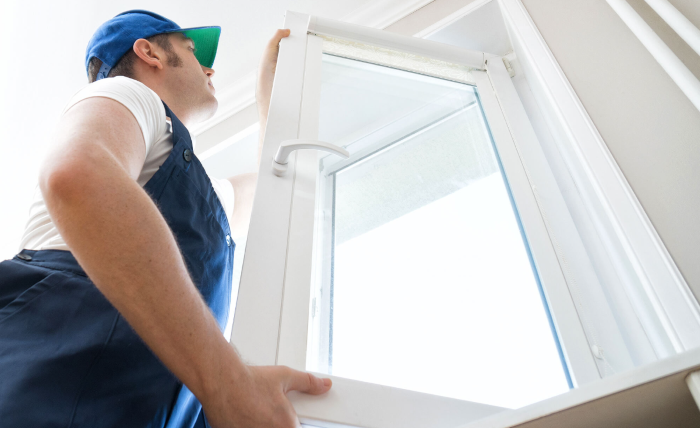
Once you’ve selected your windows, the installation process is the next key phase. Correct installation is critical to maximizing the performance and lifespan of your new windows. Professional installers typically follow multi-step protocols that include the careful removal of old windows, preparation of the opening, and ensuring proper insulation and sealing for energy efficiency. Access to advanced technology like thermal imaging can help detect heat loss areas during installation, ensuring that windows are not only aesthetically pleasing but also function optimally. Homeowners should ask about the best practices and warranties offered to ensure peace of mind regarding the installation quality and the performance of the new windows.
Aftercare: Maintaining Your New Windows for Longevity
After the excitement of window replacement settles, regular maintenance becomes crucial for ensuring longevity and aesthetic appeal. Most modern windows require minimal upkeep, but basic care like cleaning frames, checking seals, and inspecting hardware should be conducted periodically. Homeowners should follow manufacturer recommendations for cleaning solutions to avoid damaging finishes. Additionally, be vigilant for signs of wear, such as gaps or leaks, and address issues promptly to maintain energy efficiency. Educating yourself about proper aftercare not only preserves your investment but also enables you to enjoy the full benefits of your new windows for years to come.